

Conditions
Acid Reflux
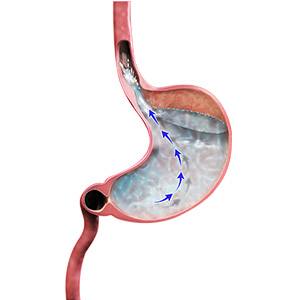
Acid reflux, also known as gastroesophageal reflux (GER), is a condition where stomach acid flows back into the esophagus, the tube connecting the mouth and stomach. This backwash can irritate the lining of your esophagus and lead to discomfort.
Hernia
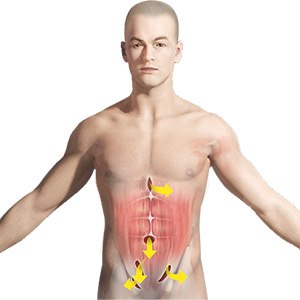
Hernia is an opening formed by the lining of the abdominal cavity. Abdominal wall hernia occurs when the contents of the intestine bulge out of the abdominal wall. Hernias are developed at birth (congenital) or may appear later (acquired).
Inguinal Hernia
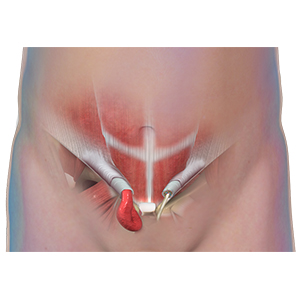
An inguinal hernia occurs when tissue, such as part of the intestine, protrudes through a weak spot in the abdominal wall in the groin area. It is the most common type of hernia, especially among men, and can affect one or both sides of the groin.
Ventral Hernia
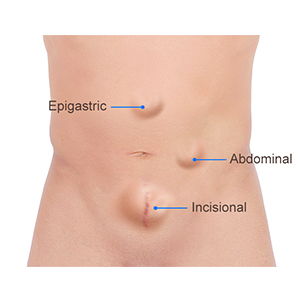
A ventral hernia occurs when tissue, such as part of the intestine, pushes through a weakened area of the abdominal wall in the midline or front of the abdomen. It can be present from birth (congenital) or develop later in life due to strain, injury, or previous abdominal surgery.
Achalasia
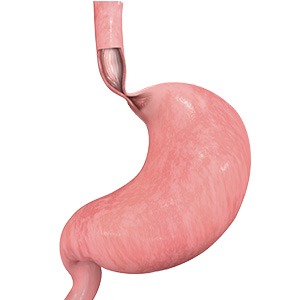
Achalasia, also known as oesophageal achalasia, is a condition in which the esophagus (a tube that carries food from the mouth to the stomach) is unable to move the food into the stomach. A lower oesophageal sphincter is a ring of muscle fibers that surrounds the lower-most end of the esophagus where it joins the stomach.
Gallbladder Disease
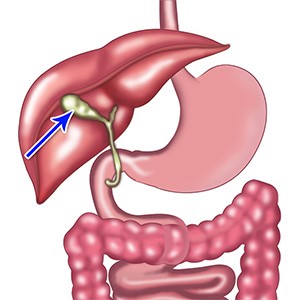
Gallbladder disease is an umbrella term for several conditions affecting the gallbladder. Inflammation of the gallbladder wall (cholecystitis) is responsible for a majority of the gallbladder diseases. Diseases of the gallbladder include gallstones, gallbladder polyps, gallbladder cancer, and sclerosing cholangitis.
Gastroesophageal Reflux Disease (GERD)
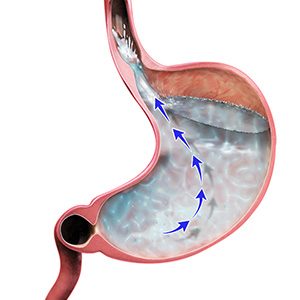
Gastroesophageal reflux disease (GERD) is a condition where the stomach acid leaks into your food pipe (esophagus) causing a burning sensation in your chest and other associated symptoms. Everyone experiences acid reflux once in a while after a heavy meal or when lying down.
Procedures
Laparoscopic Reflux Surgery
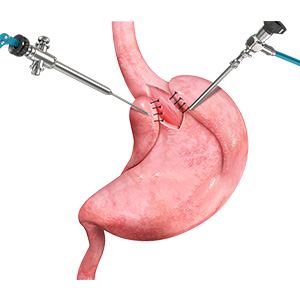
Laparoscopic reflux surgery, also known as fundoplication, is a minimally invasive surgical procedure employed for the treatment of gastroesophageal reflux disease (GERD). It corrects gastro-oesophageal reflux by creating an effective valve mechanism in the bottom of the esophagus, preventing reflux from the stomach into the esophagus.
Inguinal Hernia Repair
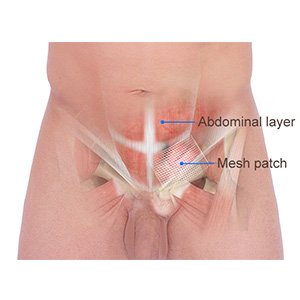
Inguinal hernia repair is a surgical procedure performed for the treatment of condition called an inguinal hernia. A hernia is a bulge that has formed when the internal organs of the body push through a weak spot in the abdominal wall.
Ventral Hernia Repair
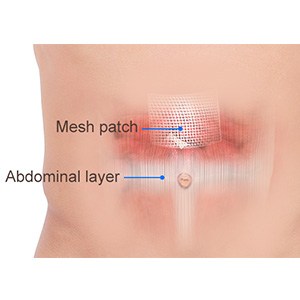
Weakness in the abdominal wall can cause the internal organs to push out, forming a bulge. This condition is called a hernia. A ventral hernia is a condition wherein the abdominal wall bulges out due to weakness in the muscles of the abdomen, causing pain, difficulty in standing up, pain while coughing and straining during bowel movements.
Orbera Managed Weight Loss System
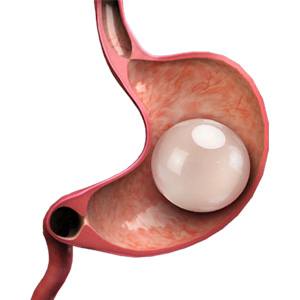
The Orbera managed weight loss system is an FDA-approved intragastric balloon weight loss program that enhances weight loss and assists in addressing obesity. The Orbera balloon is a soft silicone, stretchable intragastric device that is temporarily inserted inside the stomach without surgery.
Colectomy
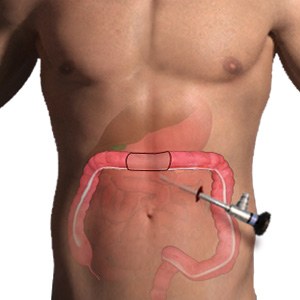
Colectomy is the most common procedure performed to remove the cancer cells. It is the surgical resection of all or part of the large intestine. It is also called a large bowel resection. Colectomy is performed under general anesthesia by open surgery method or by laparoscopic method.
Upper GI Endoscopy
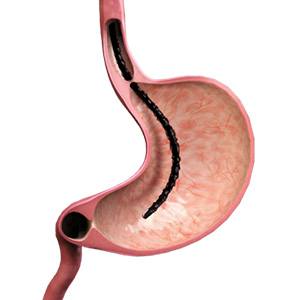
Upper GI endoscopy, also known as Esophagogastroduodenoscopy (EGD) is a procedure to visually examine and treat problems in the upper gastrointestinal (GI) tract. It is usually performed on an outpatient basis using an endoscope, which is a long, thin, flexible tube with a tiny video camera and light on the end.